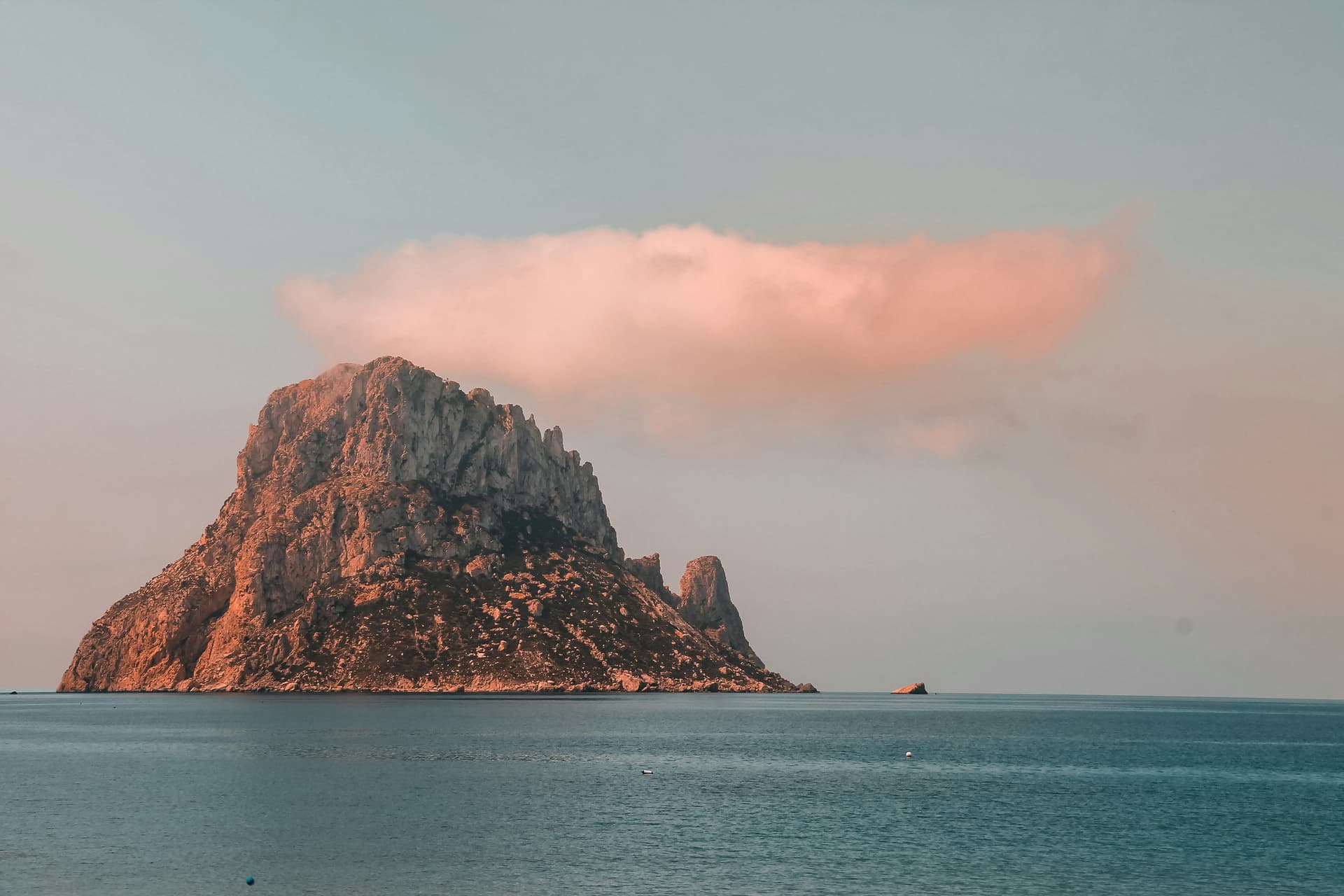
Right now, in the last days of July, Saint-Tropez, the Riviera, Mykonos, Ibiza, the Amalfi coast and Sardinia are running at the same time, at the same pitch. This is the one week a year when the entire Mediterranean calendar peaks at once.
Every European luxury market has its own high season. What is unusual about this particular stretch — late July bleeding into the first days of August — is that all of them peak together. The port at Saint-Tropez is full. The beach clubs on Psarou are full. Positano's one road is, as ever, a single lane trying to do the work of four. Occupancy and rates across the Mediterranean coast reach their annual high right about now, and everyone booked their table for it months ago.
Which raises the actual question of the week. If everyone who can afford the coast is already on the coast, what exactly is anyone still buying?
The honest answer is not access. Access, in the last week of July, is the one thing money alone no longer secures — every restaurant worth naming already has a waitlist, every villa on the good stretch of coastline was locked in by April. What is still for sale, at a premium that has nothing to do with room rates, is space. Silence. A table you did not have to fight for. A morning on the water before the tenders start running. The scarcity at peak week is not the coast itself — it is the quiet version of it.
This is where the better operators earn their fee. Not by promising more — more restaurants, more parties, more of the sixteen-course dinner everyone photographed last summer — but by selling restraint. A boat slip that lets you skip the marina entirely. A breakfast seating before the terrace fills. A driver who knows which road out of town avoids the July traffic that has become its own kind of local folklore. It is a strange kind of luxury, in the loudest week of the year, to be sold less noise rather than more of it.
Everyone can get to the coast in the last week of July. Almost no one can get quiet there.
There is a symmetry worth noting between this week and last. Sixteen World Cup cities spent July finding out what a five-week demand spike was actually worth once the crowd left. The Mediterranean this week is running the same experiment in reverse — the crowd has arrived, all of it, all at once, and the operators worth naming are the ones whose value does not evaporate the moment the marina fills. In both cases, the interesting question is identical: what are you actually selling once everyone shows up.
The person who plans peak week well is not the one who books the loudest table. It is the one who buys the shoulder — the quarter hour before the beach club opens, the villa a ridge back from the water, the pocket of restraint built quietly inside the loudest week on the calendar.
— Beesy