The grandstand at the Polo Club Saint-Tropez at Gassin on a Saturday in mid-July last summer was almost entirely under forty. The Veuve Clicquot bar was crowded but slow. The dress code held without anyone enforcing it. The Argentine 10-goaler on the field had been flown in for the weekend, would be in Sotogrande by the second week of August, and was already booked for a weekend in Aspen at the end of the month. The new polo summer, mapped end-to-end.
The sport's quiet recapture of the July-to-September calendar has been driven less by the established players than by a generation between thirty and forty-five — entrepreneurs, family-office principals, second-generation Latin American capital — who have decided that the F1 weekends have become too crowded, too photographed, and too obviously transactional. A polo weekend, by comparison, holds its scale. There are still fewer than two thousand serious spectators across most high-goal afternoons. The hospitality tents seat the people they should seat. The clothes are restrained because the sport demands it.
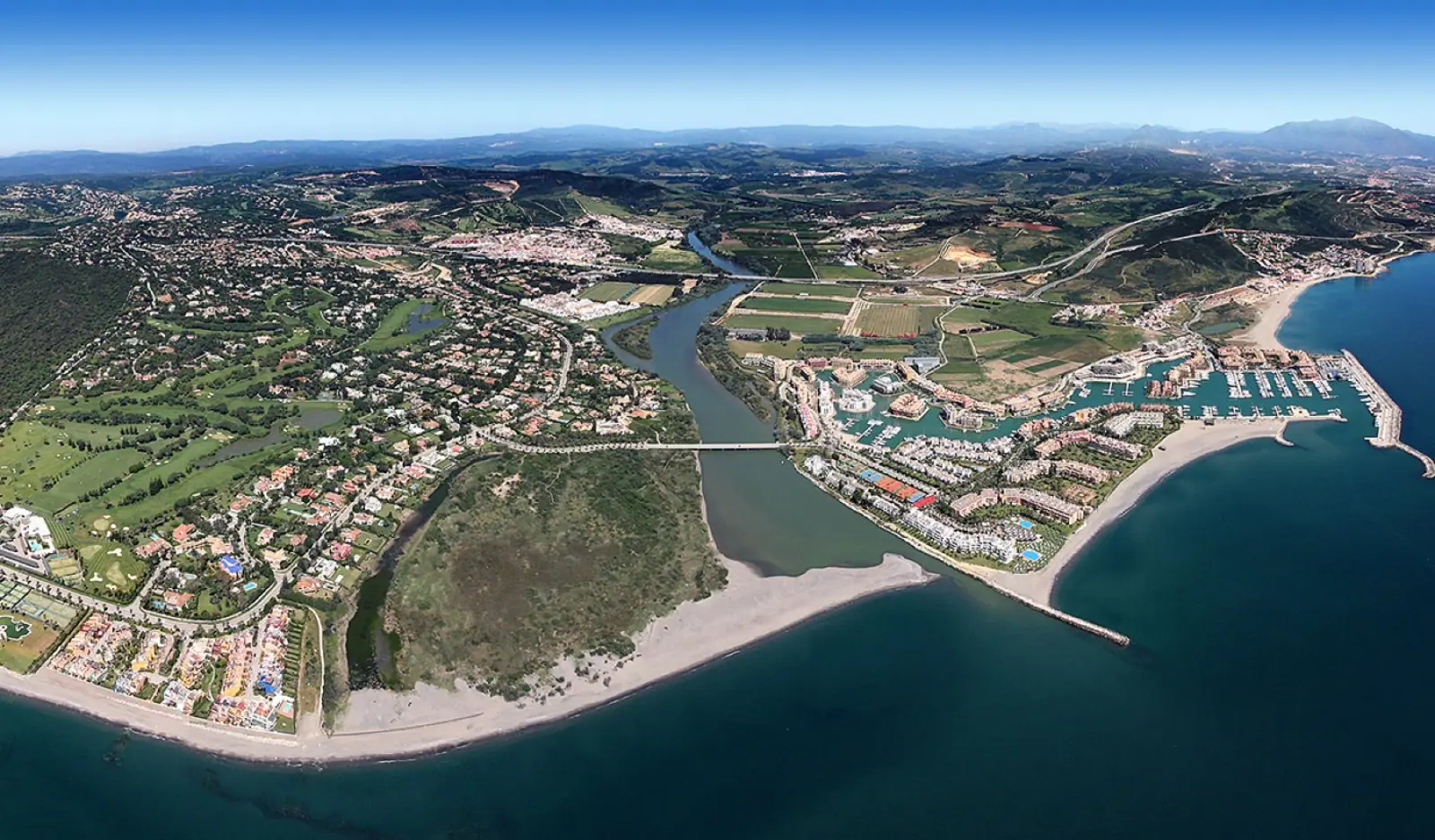
The circuit, as it now stands, runs in a clear pattern. Polo Club Saint-Tropez at Gassin opens the European season in early July with the International Polo Cup. The Santa María Polo Club at Sotogrande in Andalusia runs the fifty-fifth International Tournament from late July through the end of August, with the Bronze Cup opening on Monday July 27, the Silver Cup mid-tournament, and the Gold Cup closing the series in the last week. Veytay, at the western end of Lake Geneva, runs the Geneva Polo Cup in mid-August. Across the Atlantic, the Pacific Coast Open at Eldorado in California and the Aspen Valley Polo Club's summer high-goal anchor the American side, with the East Coast season concentrated at Greenwich.
What is new is not the tournaments. The Sotogrande tournament has run since 1971. Aspen's polo facility has been a fixture since the 1990s. What is new is the audience. The under-forty-five crowd that, ten years ago, would have spent the same weekend in Monaco for the Grand Prix is now in Gassin or San Roque. The pattern is consistent enough that the brand presence has followed — Loro Piana, Hermès Sellier, Audemars Piguet, Cartier — and the hospitality programmes around the tournaments have professionalised accordingly.
The headline, such as it is, has shifted. The Grand Prix weekend remains the biggest single event on the calendar. The polo summer is the longer, quieter, more useful one — three months, three countries, the same circle of roughly eight hundred families, and a dress code that has not been negotiated since 1955. Which is, for this generation, exactly the point.
— Beesy