On December 14, 2018, LVMH announced an agreement to acquire Belmond at a $3.2 billion enterprise value, paying $25 per Class A share in cash (CNBC and Fortune, December 14, 2018). The deal closed in April 2019. It was the move that made explicit what had been implicit since the launch of Cheval Blanc in Courchevel in 2006 and the Bulgari-Marriott joint venture announced in February 2001: Bernard Arnault was building a hospitality stack to sit alongside the leather, the wine and the jewellery.
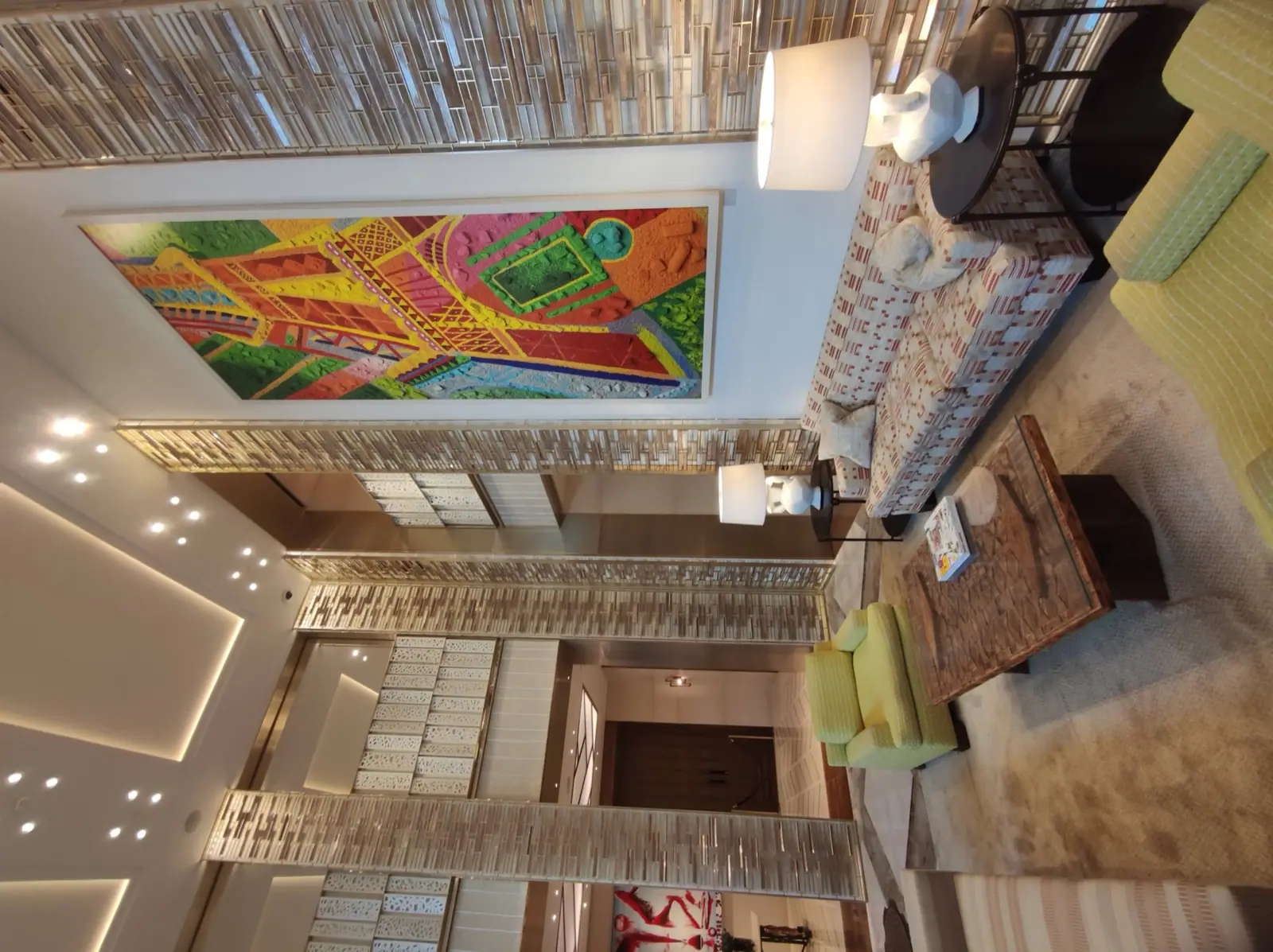
The three brands now occupy distinct positions in the LVMH luxury map. Cheval Blanc, owned and operated directly by LVMH, runs five properties — Courchevel (2006), Maldives Randheli (2013), St-Barth Isle de France, St-Tropez (2019, the former Résidence de la Pinède) and Paris (2021), with Cheval Blanc Beverly Hills and the long-anticipated Cheval Blanc Riyadh in active development. The brand is positioned as the trophy: tightly held, deliberately scarce, used internally as the showcase of Arnault's aesthetic standards.
Belmond, by contrast, came with scale. The portfolio at acquisition was 46 hotels, restaurants, trains and river cruise ships across 24 countries, including the Cipriani in Venice, the Copacabana Palace in Rio, the Hotel Caruso on the Amalfi coast and the Venice Simplon-Orient-Express. The Belmond logic for LVMH was operational depth: a ready-made network of trophy assets that could be re-positioned, refurbished and selectively de-asset-heavied without LVMH having to develop forty-six properties from a standing start. The Hotel Cipriani's 2024 reopening of the Oro restaurant and the on-going repositioning of the Caruso are the playbook in action.
Bulgari Hotels & Resorts is the most interesting of the three. The brand sits inside the LVMH portfolio — Bulgari was acquired in 2011 — but the operating company is a joint venture with Marriott International, structured in 2001 and renewed since. Bulgari Hotel Milano opened in 2004. The portfolio now includes Bali, Tokyo (relaunched September 2025 and ranked #15 on The World's 50 Best Hotels 2025), London, Dubai, Beijing, Shanghai, Paris, Rome (open 2023, ranked #22 on the same list) and Miami Beach (under construction, with a 2028 opening targeted on current Marriott disclosures). The Roma and Tokyo rankings on the 50 Best list signal that the JV is producing trophy product without LVMH having to develop the hotel real estate itself — Marriott collects the management fee, the asset owners hold the brick, LVMH retains the brand.
The strategic argument for the three-brand build is the one the maison rarely makes in public but which the family-office reader should hear plainly. The leather-goods and wine businesses generate cash. Hospitality is the channel through which that cash is converted into adjacent trophy assets — branded residences, members' floors, retail concessions — that further deepen the relationship with the same considered guest. A Cheval Blanc Paris guest is, statistically, also a Louis Vuitton couture client and a Dom Pérignon allocation buyer. The hotel is the door; the wallet share is the prize.
The open question, on which the speculation in the trade press has been steady through 2025, is whether Kering — the only other European luxury holding with the cheque size and the brand inventory to match — will respond. The repeated rumour through 2024-25 has been a possible Kering interest in Aman. Both sides have declined to comment. Aman remains majority-owned by Doronin's vehicle with PIF and Cain International as minority backers, on the 2022 $3 billion valuation. Any Kering move would have to clear materially higher than that base and would put the French luxury sector into open competition for the trophy hospitality brand pool. The Soho House take-private, the Aman PIF cheque and the LVMH-Bulgari Roma launch all sit inside a single structural story: hospitality has been re-priced as luxury infrastructure, and the maisons are now competing for the same finite set of operators.
— Beesy